Turbo Compressor Scheduled Inspection Program
Turbo Compressor Scheduled Inspection Program
A four-level scheduled inspection program based on running hours (4,000, 8,000, 24,000 and 40,000 hours). From daily checks to oil and filter replacement and gearbox disassembly and cleaning, each interval is carried out on schedule to prevent unplanned shutdowns.
Four inspection levels based on running hours
The inspection scope of a turbo compressor changes with accumulated running hours.
Following the manufacturer's maintenance guidelines, GENEQ manages the equipment through daily checks plus four levels of scheduled inspection.
Each level includes all items of the levels before it.
Daily checks (performed by the operator)
Area | Check items |
|---|---|
Lubrication system | Check oil level and any oil discoloration |
Operating data | Check and log operating data per the operating manual |
Control operation | Check IGV and BOV operation |
Pressure | Check compressor discharge pressure and system pressure |
Drains | Confirm condensate trap operation |
Leaks | Check for lubricant, cooling water and compressed air leaks |
Warning signs | Check for abnormal noise and vibration of tubes and casing |
Environment | Remove dust and clean around the compressor |
Scheduled inspections (S1 to S4)
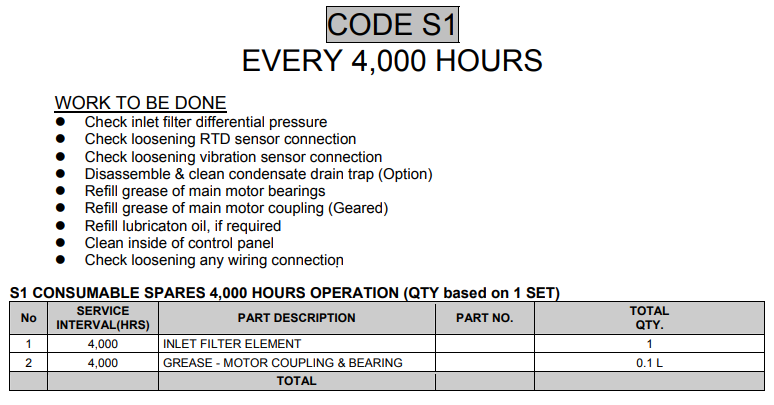
Level | Interval | Typical inspection and maintenance items |
|---|---|---|
S1 | 4,000 hours | Check for oil leaks and abnormalities · Log operating parameters · Check intake air filter differential pressure and visual condition · Check RTD/vibration sensor connections · Check condensate trap condition and discharge · Top up or replace gear/motor coupling grease · Disassemble and inspect discharge check valve · Tighten and clean wiring inside the control panel · Clean or replace control panel air filter · Check and log cooling water temperature |
S2 | 8,000 hours | S1 + Inspect and replace oil · Replace oil filter element · Check oil/air cooler fouling (clean if required) · Calibrate pressure transmitters · Replace oil mist filter and regulator filter · Calibrate IGV/BOV and check instrument air for leaks · Check coupling wear · Top up or replace motor bearing lubricant · Clean oil tank and strainer · Check temperature and pressure values |
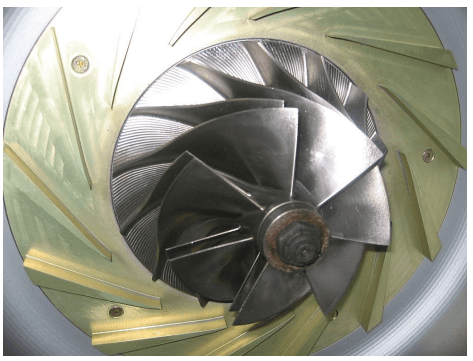
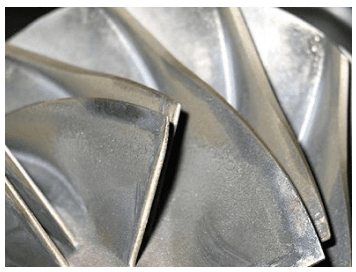
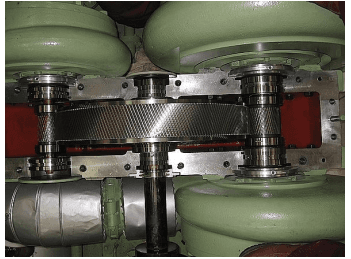
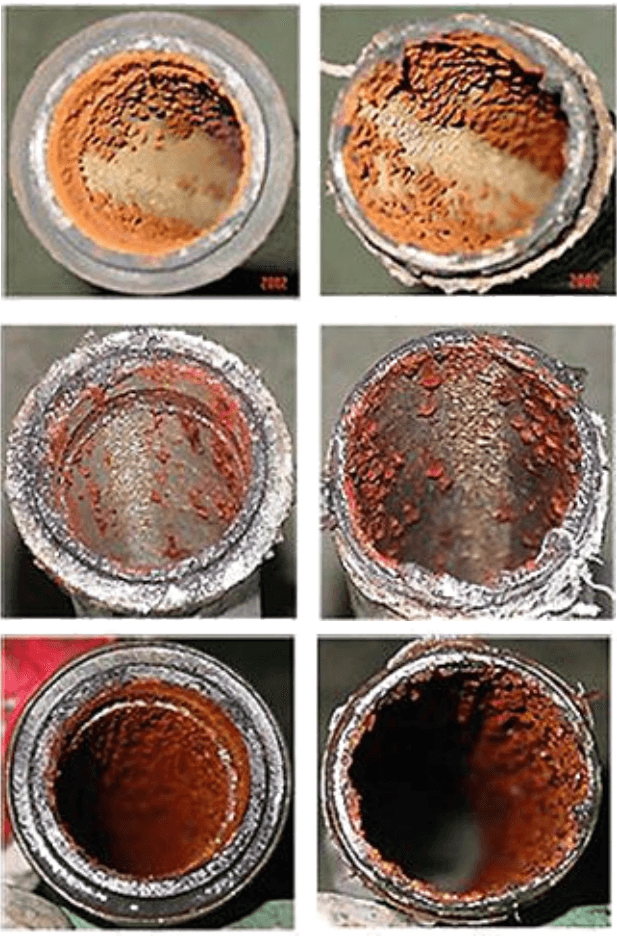
S3 | 24,000 hours | S1 and S2 + Disassemble and clean the core (gearbox) and replace O-ring set · Service and clean PCV (pressure control valve) · Inspect main motor coupling · Inspect and clean oil supply line check valve · Check and adjust coupling alignment · Inspect and calibrate TCV (oil temperature control valve) · Check bearings for wear · Inspect discharge expansion joint · Inspect or replace impellers · Disassemble inter/aftercoolers and inspect water side for erosion and corrosion · Inspect or replace electric IGV actuator capacitor |
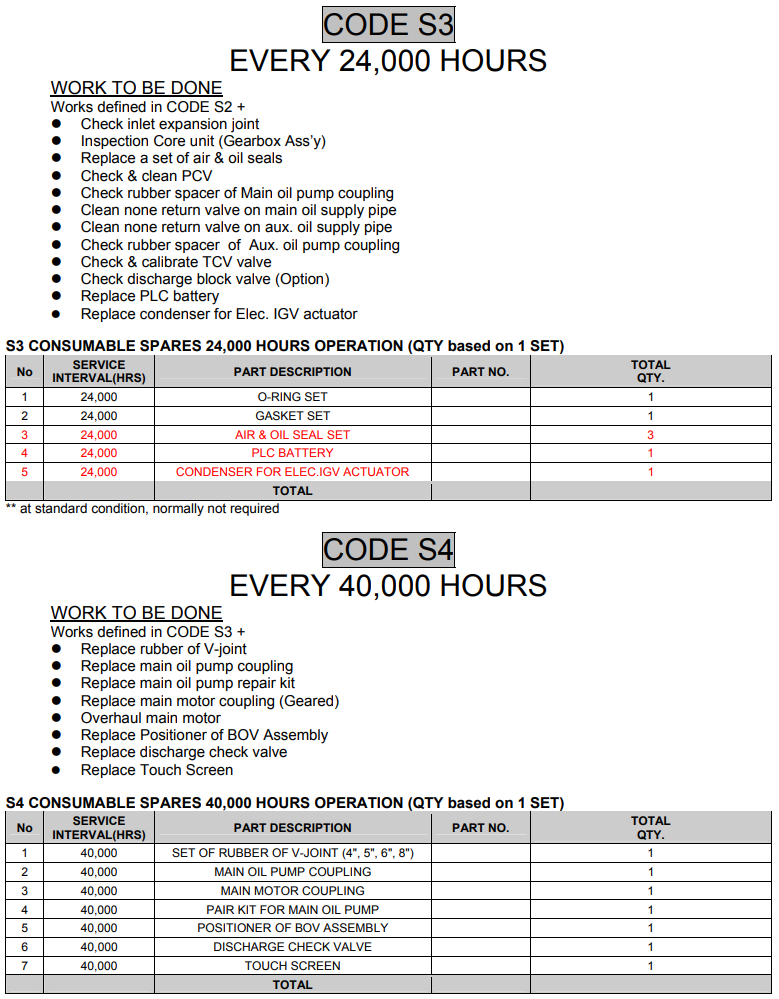
S4 | 40,000 hours or more | S1 to S3 + Clean impellers and balance rotor (if vibration has risen) · Replace main oil pump coupling and repair kit · Inspect or replace IGV/BOV and discharge control valve assemblies · Replace rubber packings · Disassemble and service inter/aftercoolers and inspect tubes · Replace control components such as the touchscreen (if required) |
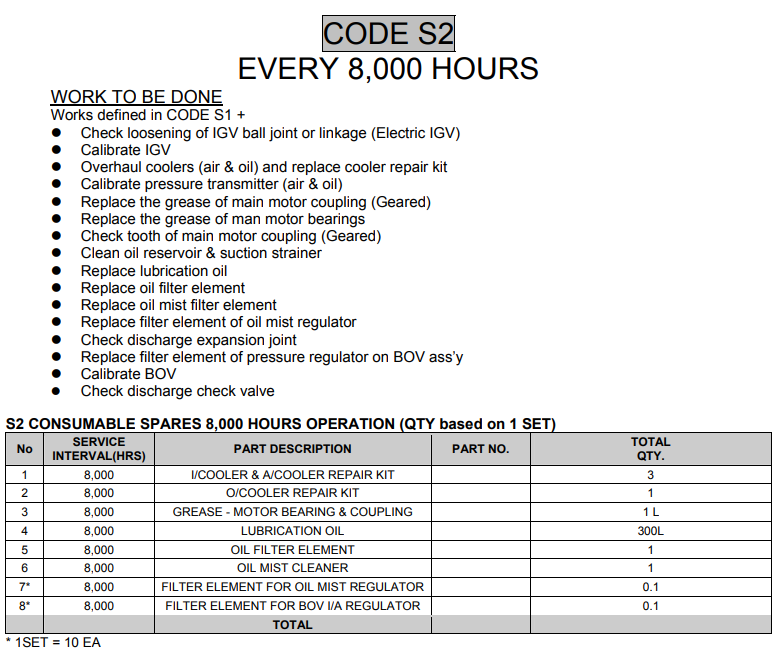
The items above are representative. The detailed inspection list and acceptance criteria follow the manufacturer's maintenance guidelines. Inspection intervals and scope may be adjusted according to the equipment's maintenance history and operating environment (utilization, intake conditions, water quality).
Lubricant management
The specified lubricant is replaced after approximately 16,000 hours of use as a baseline, with the interval adjusted according to operating conditions and oil analysis results. Oil of the wrong specification, or oil that has lost its properties, leads to bearing pad damage and corrosion, so only approved oil must be used.
Inspection contract inquiries
Tell us the accumulated running hours and maintenance history, and we will prepare an annual inspection plan together with the consumables required.