Turbo Compressor Failure Prevention
Turbo Compressor Failure Prevention
Most turbo compressor damage starts with condensate (drain) ingress, poor lubricant management or foreign matter in the intake air. Here are the three key control points, real damage cases, and countermeasures you can apply on site right away.
1. Drain (condensate) management: the most important item
How damage progresses with the amount of ingress
Stage | Symptoms | Damage to the equipment |
|---|---|---|
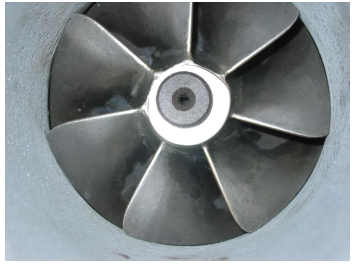
Small amount | Unusual noise, reduced air delivery | Water droplets continuously strike the impeller; scroll corrosion accelerates |
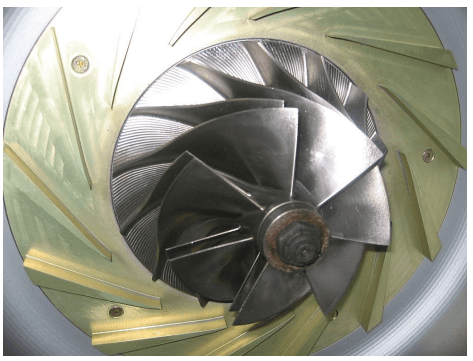
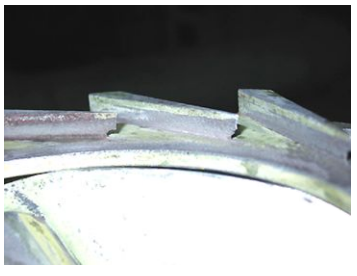
Moderate amount | Increased noise, rising vibration | Damage to impeller vane tips and diffuser; scroll corrosion worsens |
Large amount | Impact noise, sudden vibration | The shaft takes a bending load and the impeller contacts the scroll → impeller failure (replacement required) |
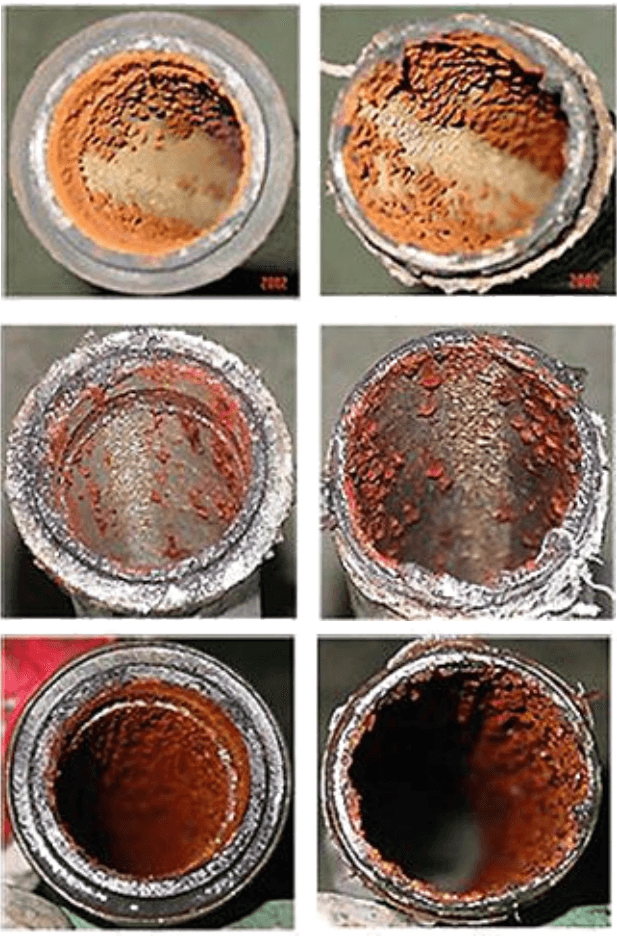
Once the scroll corrodes, the corrosion products contact the impeller and both wear away; after the corrosion is removed, the clearance is wider than before and compression efficiency drops. In other words, corrosion leaves a loss even after it is removed.
Do not rely on the drain trap alone
Most automatic drain traps have a small outlet bore, so their capacity falls short in humid seasons.
That is why installing a trap is no reason for complacency.
No. | Site countermeasure |
|---|---|
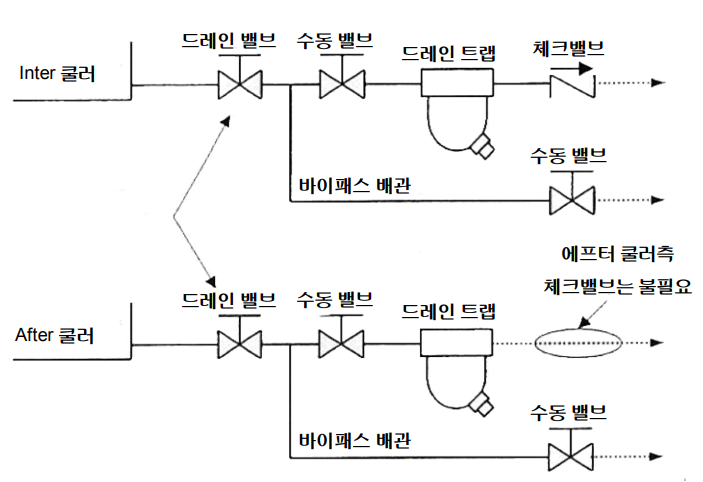
1 | When installing a drain trap, always fit a bypass line alongside it |
2 | Do not interconnect the drain traps of different stages (risk of drain from another stage mixing in) |
3 | Keep the end of the drain pipe out of the pit (prevents backflow of standing water and debris) |
4 | Check that the trap is working several times a day |
5 | In summer, when condensate is heavy, fine-tune the manual bypass valve |
6 | Do not trust the trap blindly; check regularly for residual drain |
7 | Beware of freezing in winter — if it freezes, drain is not discharged, and frost damage can cause failures. |
If the amount of condensate itself is high, the fundamental remedy is to check the capacity and condition of the compressed air dryer as well.
2. Oil management
Oil selection
Use the grade specified for the bearing type (ISO VG 32 and the like, Hanwha Power Systems genuine oil)
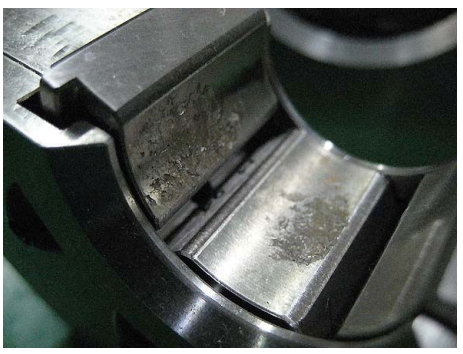
Oil of the wrong specification, or degraded oil, causes damage and corrosion of the bearing pads
Oil with high sulfur content can corrode the white metal of the pads, so only approved products may be used
Poor operating practice carbonizes the oil, and the carbonized deposits in turn cause corrosion
Operating rules
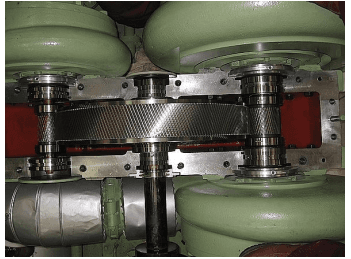
Before starting, run the auxiliary oil pump long enough to lubricate the inside of the gearbox, then start
During operation, keep the oil temperature from running too high or too low
After stopping, keep running the auxiliary oil pump long enough to cool the hot rotating parts and bearings
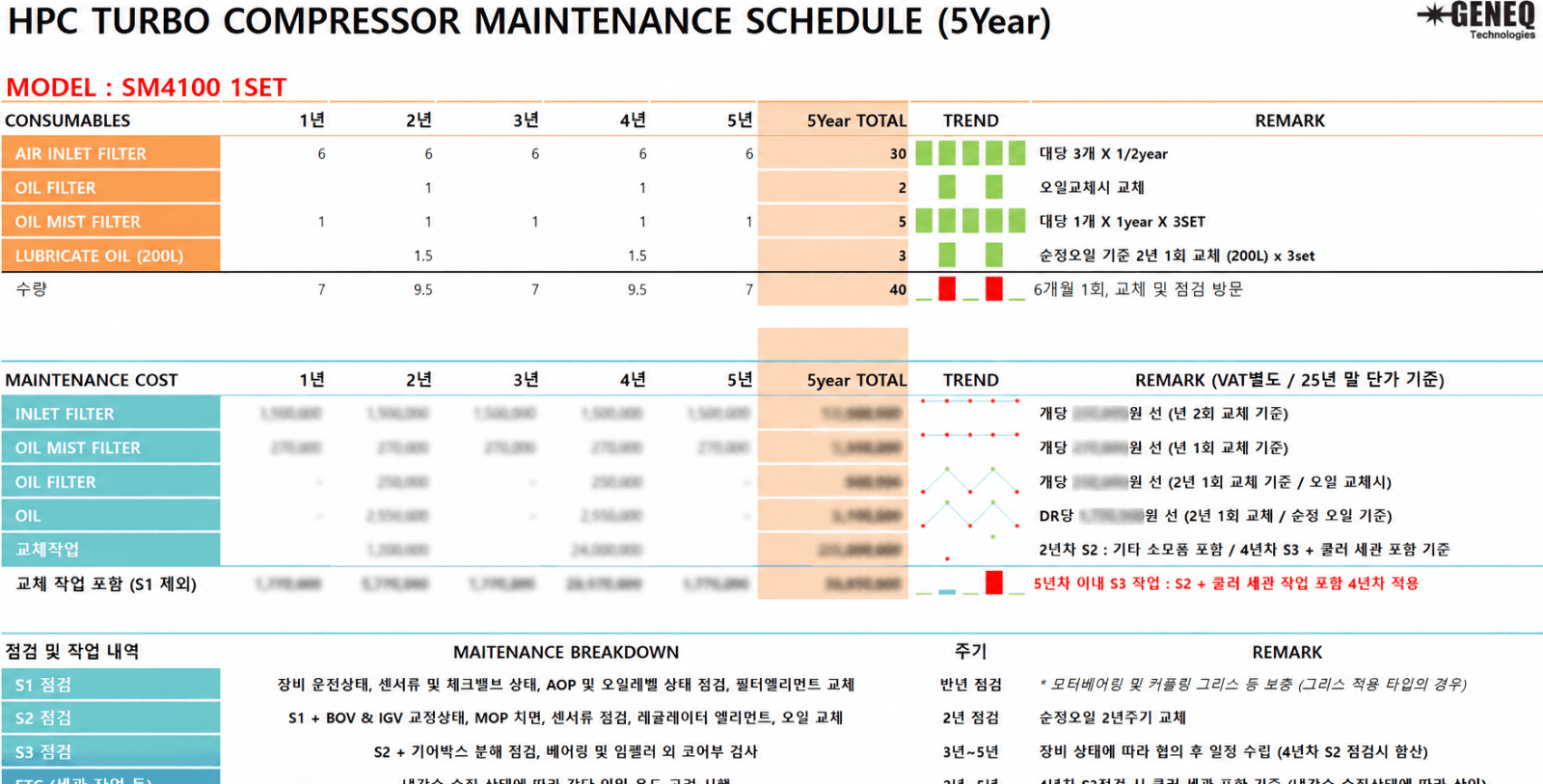
Manage oil life and use only approved oil
Oil filter (use genuine oil filters)
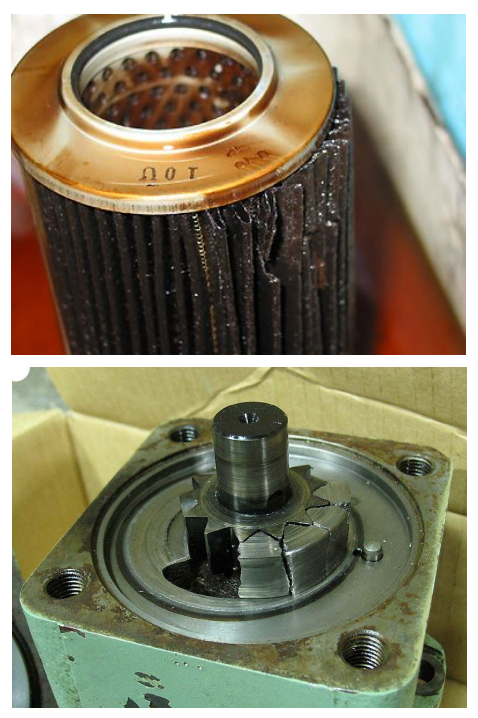
Oil filters for turbo compressors require a high filtration rating. With unverified low-cost filters, unfiltered debris can reach the bearings or the filter itself can rupture, leading to serious failures. There have been cases where bearings had to be replaced after a filter ruptured, and where an oil pump that drew in unfiltered oil failed and its fragments entered the gearbox, requiring replacement of both the pinion bearings and the bull gear bearings. The cost far exceeds anything saved on the filter. It is also important to keep the pressure drop across the oil filter from becoming excessive.
Oil piping
The piping that circulates oil from tank → pump → cooler → filter → gearbox → tank must be completely full of oil with no entrained air. A damaged pipe that leaks reduces the supply, and entrained air causes insufficient lubrication and oil oxidation. An air pocket in the oil momentarily starves the rotating parts of oil and can lead to failure, so always watch for leaks.
3. Intake management
Intake location
Outdoor intake — provides cold, clean air, but atmospheric moisture easily enters with it.
A roof to keep out rainwater is effective
If there is a cooling tower near the intake filter, its water vapor is drawn straight in, so choose the location carefully
Indoor intake — the space must be well ventilated and low in contamination; take particular care when the compressor shares a room with a boiler or similar equipment
Intake filter
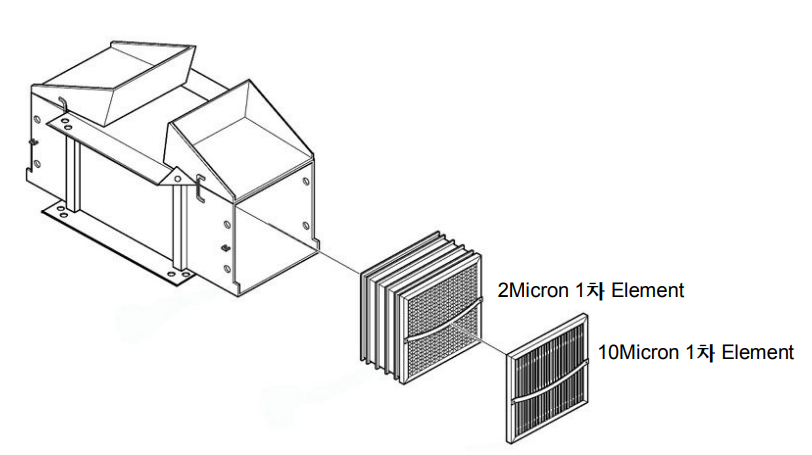
A filter with a low filtration rating has a small initial pressure drop, so it takes a long time to reach the pressure drop limit. The long replacement interval looks convenient, but in reality coarse, unfiltered air is being drawn in the whole time. This air damages the first-stage impeller and diffuser and accelerates cooler fouling.
Judge a filter not by its replacement interval but by its filtration performance (differential pressure).
Precautions when replacing the filter
Replace only after the machine has been stopped (during operation, suction can draw in foreign matter)
After removing the old element, check the inside of the housing for traces of unfiltered air leaking in (black soot marks)
Remove dust and debris inside and check the housing itself for corrosion
Before reassembly, double-check that no tools or bolts have been left inside the housing
The screen that protects the element can also corrode, detach and be drawn in, so inspect it as well
Cooler cleaning management
Location of fouling/corrosion | Probable cause |
|---|---|
Stage 1 | Intake filter problem — unfiltered air is entering, or the element has been neglected |
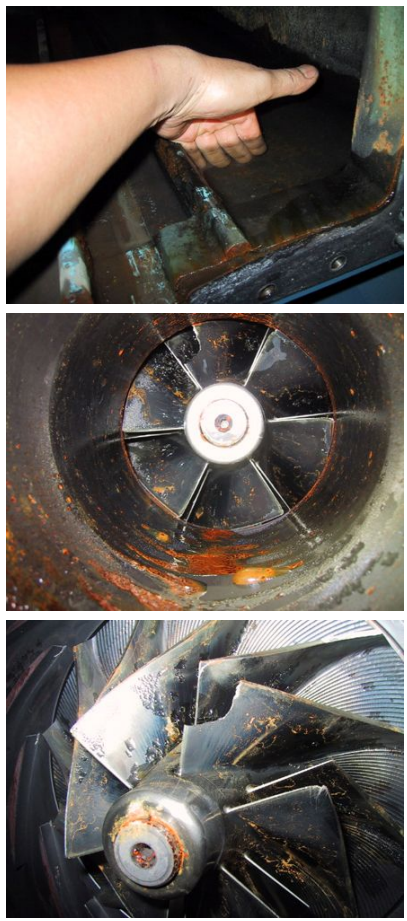
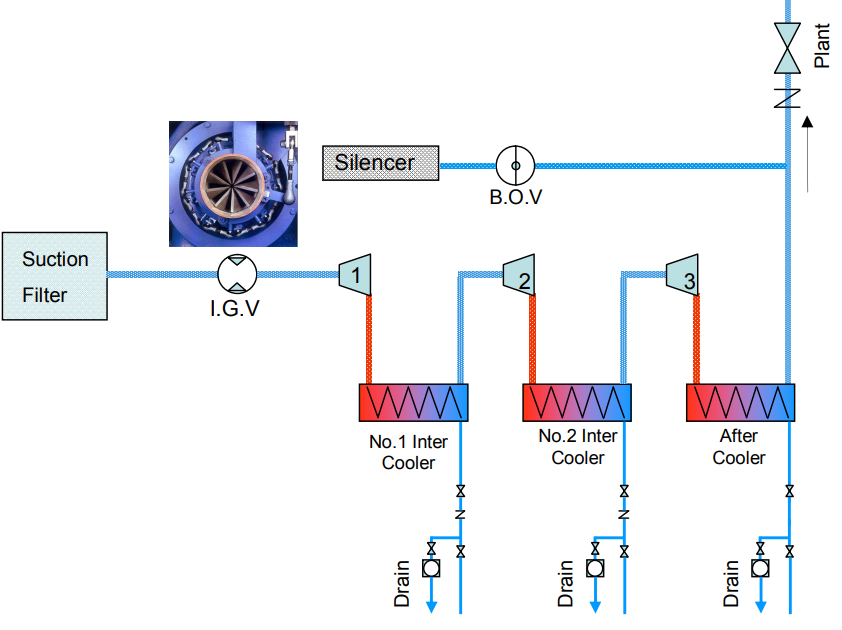
Stage 2 · Stage 3 | Drain from the intercooler and corrosion inside the housing — as drain from the No. 1 intercooler increases, housing corrosion worsens; drain and corrosion products are drawn into stage 2, cause damage there, and are carried into the next cooler in a vicious cycle |
Diagnostic inquiries
Tell us the symptoms you are seeing now, such as noise, vibration, discharge temperature and current changes (touchscreen status screen), and we will advise on the likely causes and the action required.
Where necessary, this leads to an on-site diagnosis.